
Dash Rice Cooker Instructions PDF: A Comprehensive Guide
Today’s date is 04/14/2026 at 20:58:16. This manual serves as your complete resource, ensuring optimal use of your new Dash Rice Cooker Manual product.
Understanding Your Dash Rice Cooker
Congratulations on acquiring a Dash Rice Cooker! This appliance is designed for simplicity and convenience, bringing perfectly cooked rice and more to your table with minimal effort. Before diving into recipes, familiarize yourself with its core functionalities. The official PDF manual, accessible online, is your primary resource for detailed information specific to your model.
Understanding the different components – the inner pot, steam vent, warming switch, and exterior housing – is crucial. The inner pot is where the magic happens, while the steam vent releases excess moisture for optimal texture. The warming switch automatically keeps your rice at an ideal serving temperature.
This guide, alongside the PDF, will empower you to unlock the full potential of your Dash Rice Cooker, moving beyond basic rice cooking to explore a world of versatile culinary possibilities; Remember to always refer to the manual for safety precautions and specific model details.
Model Variations & Identifying Your Specific Model
Dash offers a variety of rice cooker models, each with slightly different features and capacities. Identifying your specific model is the first step towards accessing the correct PDF manual and instructions. Look for the model number typically located on the underside of the unit, or on the original packaging.
Common variations include different pot sizes (e.g., 3-cup, 6-cup), and some models may include additional functions like slow cooking or yogurt making. The PDF manual tailored to your model will detail these specific features.
Incorrect instructions can lead to suboptimal results or even damage to the appliance. Therefore, carefully cross-reference the model number on your cooker with the available manuals online. Utilizing the correct PDF ensures you’re following the precise guidelines for your Dash Rice Cooker, maximizing its performance and longevity.
Accessing the Official Dash Rice Cooker PDF Manual
The official Dash Rice Cooker PDF manual is readily available online. The primary source is the Dash website – navigate to their support or customer service section. Search for “rice cooker manuals” or enter your specific model number in the search bar; This will lead you directly to the downloadable PDF.
Alternatively, a quick web search using terms like “Dash rice cooker model [your model number] manual PDF” will yield results. Be cautious of third-party websites; always prioritize downloading from the official Dash site to ensure authenticity and avoid potential malware.
Downloading the PDF allows offline access to instructions, making it convenient for reference during cooking. Ensure you download the manual corresponding to your exact model for accurate guidance and optimal performance of your Dash appliance.
Navigating the PDF Manual: Key Sections
The Dash Rice Cooker PDF manual is structured for easy understanding. Begin with the “Important Safety Instructions” section to familiarize yourself with crucial precautions. Next, locate the “Parts Identification” diagram to understand each component of your cooker.
The “Operating Instructions” detail the step-by-step process for cooking rice and utilizing various functions. Pay close attention to the “Cooking Charts” which provide optimal water-to-rice ratios for different rice types – white, brown, jasmine, and more.
A dedicated “Troubleshooting” section addresses common issues and offers solutions. Finally, the “Care and Cleaning” section outlines proper maintenance procedures to prolong the life of your Dash rice cooker. Refer to these sections as needed for a seamless cooking experience.
Setting Up Your Dash Rice Cooker
Prepare for effortless cooking! This section guides you through the initial setup, parts identification, and powering on your new Dash Rice Cooker for optimal use.
Initial Setup & First-Time Use
Before your first delicious meal, a quick setup is required to ensure peak performance from your Dash Rice Cooker. Carefully unpack the cooker and all included accessories, verifying everything is present and undamaged. Remove any packaging materials, both inside the cooker and externally.
Thoroughly wash the inner pot, steam tray (if included), and measuring cup with warm, soapy water. Rinse completely and dry before use. Wipe the exterior of the cooker with a damp cloth. Avoid immersing the main unit in water or any other liquid to prevent electrical hazards.
Plug the cooker into a grounded electrical outlet. It’s recommended to perform a test run with a cup of water to familiarize yourself with the operation and eliminate any potential manufacturing odors. Simply add water, press the “Cook” button, and allow the cycle to complete. Discard the water and your Dash Rice Cooker is now ready for cooking!
Parts Identification & Functionality
Your Dash Rice Cooker consists of several key components designed for efficient and convenient operation. The inner pot, typically non-stick, holds the rice and water during cooking. The heating plate, located beneath the inner pot, provides the necessary heat for cooking.
The lid creates a sealed environment for steaming and retaining heat. A steam vent on the lid releases excess steam during cooking. The control panel features buttons for “Cook” and “Warm” functions, initiating and maintaining cooking temperatures.
A measuring cup is included for accurate rice portioning, and a steam basket (in some models) allows for simultaneous vegetable or protein steaming. The power cord provides electrical connection. Understanding each part’s function is crucial for optimal performance and safe operation of your Dash Rice Cooker. Refer to diagrams in the full PDF manual for visual identification.
Powering On & Basic Operation
To begin, ensure the inner pot is properly seated within the rice cooker. Plug the power cord into a grounded electrical outlet. The cooker will typically remain in standby mode until activated. Press the “Cook” button to initiate the cooking cycle; a light indicator will illuminate, confirming operation.
Once the rice has finished cooking, the cooker will automatically switch to the “Warm” setting, maintaining a serving temperature without overcooking. The “Warm” light will illuminate. To turn off the cooker completely, unplug the power cord.
Always use the included measuring cup for accurate rice-to-water ratios. Avoid opening the lid during the cooking cycle, as this releases steam and affects cooking time; Refer to the PDF manual for detailed operational guidance and safety precautions.
Cooking Rice: The Core Function
Mastering rice cooking relies on precise water-to-rice ratios, varying by type. The “Cook” and “Warm” settings deliver perfectly cooked grains every single time.
Water-to-Rice Ratios for Different Rice Types (White, Brown, Jasmine)
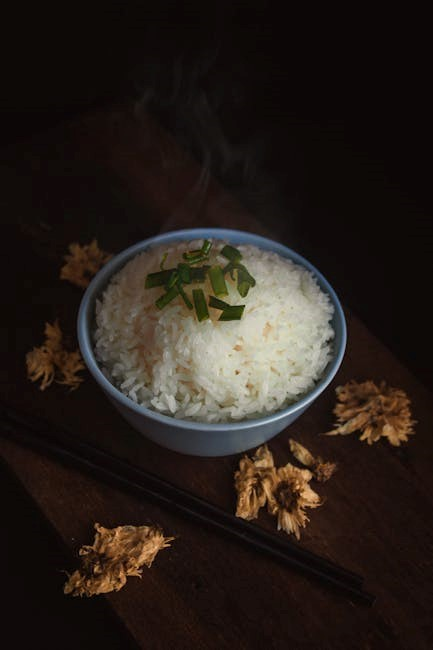
Achieving fluffy, perfectly cooked rice hinges on understanding the correct water-to-rice ratio for each variety. For white rice, a standard ratio is 1 cup of rice to 1 cup of water – a simple 1:1 proportion generally yields excellent results. However, slight adjustments may be needed based on your preference for firmer or softer rice.
Brown rice, with its bran layer intact, requires more water and a longer cooking time. A recommended ratio is 1 cup of brown rice to 2 ¼ cups of water. This allows the grains to fully soften and become tender. Soaking brown rice for 30 minutes prior to cooking can further improve the texture.
Jasmine rice, known for its fragrant aroma and slightly sticky texture, benefits from a slightly reduced water ratio. Try 1 cup of jasmine rice to 1 ¼ cups of water. This will help maintain its distinct fragrance and prevent it from becoming overly mushy. Experimenting within these guidelines will help you discover your ideal consistency.
Step-by-Step Rice Cooking Instructions
Begin by measuring your desired amount of rice and rinsing it thoroughly under cold water until the water runs clear. This removes excess starch, preventing stickiness. Add the rinsed rice to the inner pot of your Dash Rice Cooker.
Next, add the appropriate amount of water, referencing the ratios for your chosen rice type (white, brown, jasmine – see previous section). Ensure the water level is within the indicated markings inside the pot. Close the lid securely, ensuring a proper seal.
Press the “Cook” button to initiate the cooking cycle. The cooker will automatically switch to the “Warm” setting once the rice is cooked. Allow the rice to steam for 10-15 minutes on the “Warm” setting before fluffing with a fork. This final steaming step ensures even moisture distribution and optimal texture. Enjoy your perfectly cooked rice!
Using the “Cook” and “Warm” Settings
The “Cook” setting initiates the rice cooking cycle. Once activated, the Dash Rice Cooker automatically adjusts temperature and timing for optimal results. A light indicator confirms the cooking process is underway; do not open the lid during this phase to maintain consistent heat.
Upon completion, the cooker seamlessly transitions to the “Warm” setting. This maintains the rice at an ideal serving temperature without overcooking. The “Warm” setting is designed for extended holding periods – up to several hours – ensuring your rice remains fluffy and palatable.
Avoid leaving cooked rice on the “Warm” setting for excessive durations, as it can eventually dry out. For best results, consume the rice within a reasonable timeframe after the cooking cycle finishes. The “Warm” function is a convenient feature, but mindful usage is key.
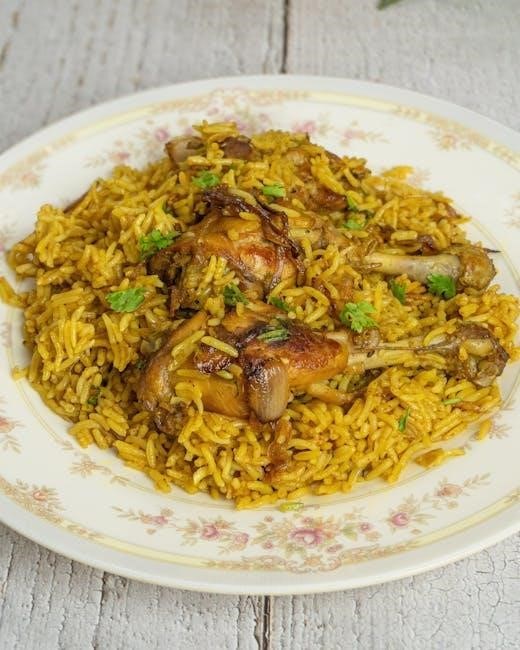
Beyond Rice: Versatile Cooking Options
Explore diverse culinary possibilities! Your Dash Rice Cooker isn’t limited to rice; it excels at steaming vegetables, cooking grains, and even preparing simple soups and stews.
Steaming Vegetables & Fish
Unlock healthy and flavorful meals with the steaming function of your Dash Rice Cooker. This method preserves vital nutrients and delivers perfectly cooked results. To steam, simply add one cup of water to the inner pot; Place your vegetables or fish on the included steaming basket, ensuring they aren’t submerged in the water.
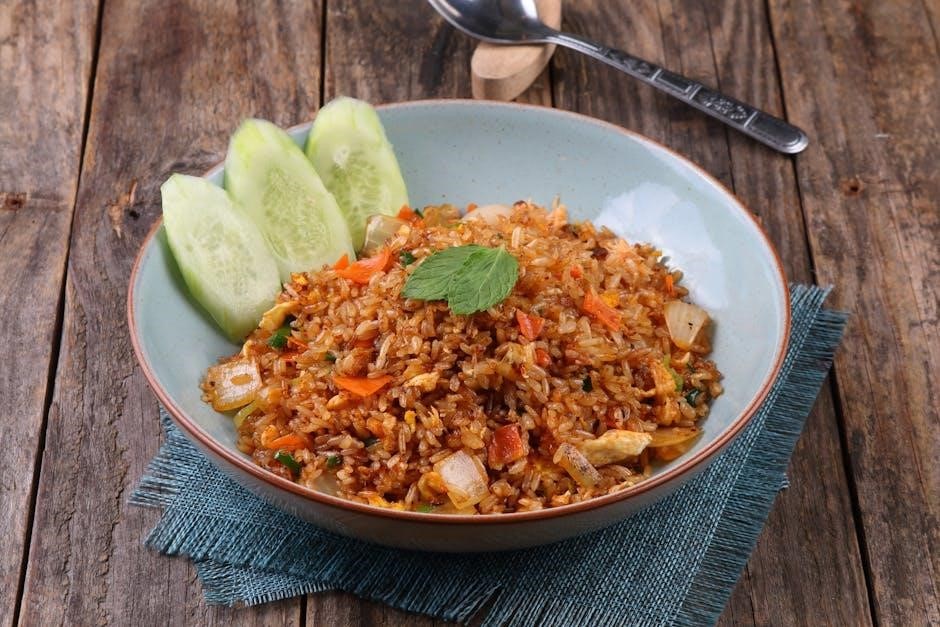
Secure the lid and select the “Cook” setting. Steaming time will vary depending on the vegetable or fish type and desired tenderness. Broccoli, carrots, and green beans typically require 10-15 minutes, while fish may take 12-20 minutes.
Pro Tip: For delicate fish, consider lining the steaming basket with parchment paper to prevent sticking. Regularly check for doneness to avoid overcooking. The steaming function is ideal for asparagus, spinach, and various seafood options, offering a convenient and healthy cooking alternative.
Cooking Grains (Quinoa, Oats, Barley)
Expand your culinary horizons beyond rice with the Dash Rice Cooker’s versatility! This appliance excels at cooking various grains, offering convenient and consistent results. For quinoa, use a 1:2 quinoa-to-water ratio. Rinse the quinoa thoroughly before adding it to the inner pot with water. Select the “Cook” setting and allow approximately 15-20 minutes for completion.
For oats, a 1:2 oats-to-water ratio works well for creamy oatmeal. Steel-cut oats may require a longer cooking time – around 25-30 minutes. Barley benefits from a 1:3 barley-to-water ratio and typically needs 40-45 minutes on the “Cook” setting.
Remember to adjust cooking times based on your preferred texture. Experiment with different water ratios to achieve your ideal grain consistency. The “Warm” setting is perfect for keeping cooked grains at serving temperature.
Making Soups & Stews
Unlock a world of flavorful possibilities by utilizing your Dash Rice Cooker for soups and stews! This appliance isn’t limited to grains; it’s a fantastic tool for one-pot meals. Begin by sautéing vegetables directly in the inner pot using the “Cook” setting – add a little oil to prevent sticking.
Once vegetables are softened, add your broth, proteins (meat or beans), and seasonings. Secure the lid and switch back to the “Cook” setting; Cooking times will vary depending on the ingredients; generally, 30-60 minutes suffices for most stews.
For soups, reduce cooking time accordingly. The “Warm” setting is ideal for maintaining a simmering temperature and preventing overcooking; Always ensure sufficient liquid to prevent burning, and stir occasionally for even heat distribution.

Troubleshooting Common Issues
Encountering problems? This section addresses frequent concerns like mushy rice, cooker malfunctions, and deciphering potential error codes for a seamless experience.
Rice is Too Mushy or Too Hard
Achieving perfect rice texture is key! If your rice consistently turns out mushy, reduce the water-to-rice ratio slightly during your next cooking attempt. Remember, different rice varieties require varying amounts of water – white rice needs less than brown rice.
Conversely, if the rice is too hard or dry, increase the water slightly. Always refer to the recommended water-to-rice ratios in the manual for your specific rice type. Ensure the lid is sealed tightly during cooking to prevent steam from escaping, which can affect the final texture.
Also, avoid lifting the lid frequently during the cooking process, as this releases heat and steam, disrupting the cooking cycle. A little experimentation may be needed to find the ideal water level for your preferences and the specific Dash rice cooker model you own. Consistent results come with practice!
Cooker Won’t Turn On
If your Dash Rice Cooker fails to power on, first verify the power cord is securely plugged into both the cooker and a functioning wall outlet. Test the outlet with another appliance to confirm it’s providing power. Inspect the power cord for any visible damage, such as fraying or cuts – do not use if damaged!
Ensure the inner pot is correctly positioned within the cooker. Most models have a safety mechanism that prevents operation if the pot isn’t properly seated. Check the control panel for any indicator lights; a flashing light might signal an issue.
If the problem persists, consult the troubleshooting section of the official PDF manual for model-specific guidance. Avoid attempting to disassemble or repair the cooker yourself, as this could void the warranty and pose a safety hazard. Contact Dash customer support for assistance.
Error Codes & Their Meanings (if applicable)
Certain Dash Rice Cooker models may display error codes on the control panel to indicate specific issues. While not all models feature this functionality, understanding potential codes can save time and frustration. Refer to your specific model’s PDF manual for a comprehensive list, as codes vary.
A common error, “E1”, often signifies a problem with the temperature sensor. “E2” might indicate an issue with the heating element. If an error code appears, first try unplugging the cooker for several minutes, then plugging it back in to reset the system.
If the error persists, carefully document the code and consult the manual’s troubleshooting section. Do not attempt to bypass or ignore error codes, as this could lead to further damage or safety concerns. Contact Dash customer support, providing the error code, for expert assistance.
Cleaning & Maintenance
Regular cleaning ensures longevity and performance. Proper procedures, identifying dishwasher-safe parts, and correct long-term storage are vital for your Dash Rice Cooker.
Proper Cleaning Procedures
Maintaining a clean Dash Rice Cooker is crucial for optimal performance and longevity. Always unplug the cooker and allow it to cool completely before cleaning. The inner pot is typically non-stick and can be hand-washed with warm, soapy water, or placed in the dishwasher if indicated in your model’s manual. Avoid abrasive cleaners or scouring pads, as these can damage the non-stick coating.
The exterior of the cooker can be wiped down with a damp cloth. For stubborn food splatters, a mild detergent can be used. Ensure no water enters the cooker’s heating element or control panel. The steam vent should be checked regularly for blockages and cleaned as needed. Thoroughly dry all parts before reassembling and storing. Consistent cleaning prevents buildup and ensures your Dash Rice Cooker continues to deliver perfectly cooked results.
Dishwasher Safe Parts
Determining which parts of your Dash Rice Cooker are dishwasher safe is essential for convenient cleaning. Generally, the inner cooking pot, steam tray (if included), and measuring cup are designed to withstand dishwasher cycles. However, always consult your specific model’s PDF manual to confirm compatibility, as variations exist.
The exterior housing, control panel, and heating element should never be placed in the dishwasher. These components can be damaged by water exposure or harsh detergents. When using a dishwasher, place the removable parts on the top rack to avoid direct heat exposure. For handwashing, use a mild detergent and avoid abrasive scrubbers. Proper dishwashing ensures longevity and maintains the cooker’s performance. Refer to the manual for detailed guidance on your model’s dishwasher-safe components.
Long-Term Storage Instructions
Proper storage extends the life of your Dash Rice Cooker when not in regular use. Before storing for an extended period, ensure the unit is completely dry. Thoroughly clean all removable parts – the inner pot, steam tray, and measuring cup – and allow them to air dry completely. Store the cooker in a cool, dry place, away from direct sunlight and extreme temperatures.

Avoid storing the cooker in damp environments like basements or garages, as this can lead to corrosion. It’s best to store it in its original packaging, if available, to protect it from dust and scratches. Ensure the power cord is neatly coiled and stored with the unit, avoiding any tight bends. Regularly check the stored cooker for any signs of damage or moisture buildup. Refer to your PDF manual for specific storage recommendations related to your model.