
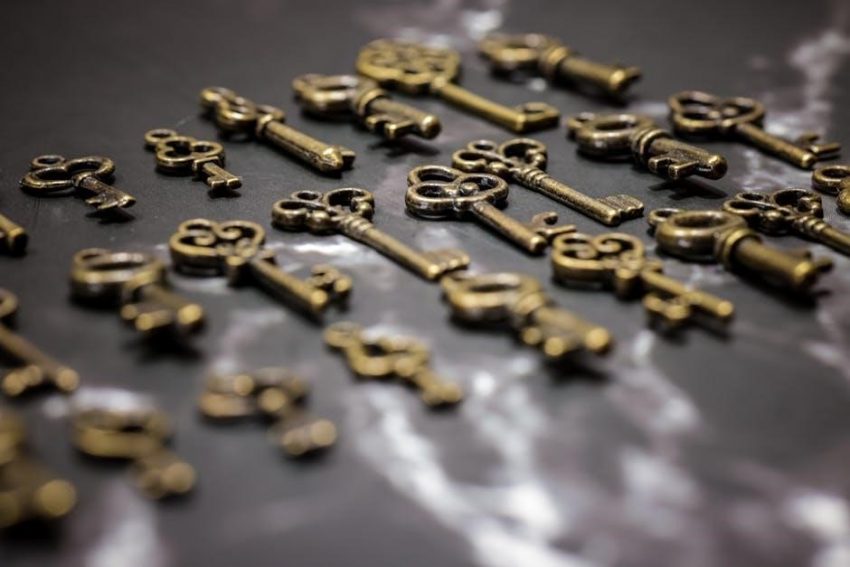
Skeleton keys, often resembling a human skeleton, hold a captivating history steeped in myths of thieves and secret passages. These master keys unlock diverse locks.
Historical Significance and Myths
Skeleton keys boast a rich, often romanticized, history. Emerging prominently during the Medieval period with iron construction and large teeth, they quickly gained favor for their versatility – capable of opening numerous doors regardless of size or lock type. This adaptability fueled myths surrounding their use by those seeking illicit access to homes and hidden treasures.
The very name evokes imagery of secret passageways and concealed rooms, solidifying their place in folklore. Tales abound of their employment in unlocking mysteries and bypassing security. Even into the 18th and 19th centuries, their prevalence continued, becoming synonymous with unlocking the past and accessing forgotten spaces. The association with bypassing security persists even today, influencing their portrayal in fiction, like the film “The Skeleton Key”.
What is a Skeleton Key?
A skeleton key, also known as a master key, is a distinctive type of key designed to open multiple locks. Unlike modern, individually-cut keys, skeleton keys feature a long shaft with a series of cuts along one edge – the “bit”. These cuts correspond to the internal mechanisms of the locks they are intended to unlock.
Their design isn’t random; the shape often resembles a human skeleton, hence the name. Historically, they were prevalent before the widespread adoption of more secure, individually-keyed locks. They function by bypassing the intricate warding systems found in older locks, relying on a combination of lifting pins or levers to disengage the locking mechanism. Understanding their construction is key to appreciating their historical significance and functionality.

Understanding the Mechanics of Skeleton Key Locks
Tumbler and lever locks formed the foundation for skeleton key operation, with predictable patterns allowing skilled manipulation and bypassing of security features.
Tumbler Locks: The Foundation
Tumbler locks represent the earliest systems readily opened by skeleton keys. These locks function using pins, or tumblers, of varying heights within the lock cylinder. A correctly shaped key would lift these tumblers to a specific height, allowing the bolt to move and the lock to open.
However, the simplicity of this mechanism meant that a skeleton key, with its long shaft and carefully filed teeth, could often manipulate multiple tumblers simultaneously. Because the need to precisely cut each tumbler was lessened, locks didn’t require extensive customization. Early 20th-century locks sometimes incorporated levers, but typically only two or three, making them susceptible to skeleton key entry due to predictable lever step patterns.
Lever Locks: An Evolution
Lever locks emerged as an improvement over simpler tumbler locks, offering increased security – though still vulnerable to skilled manipulation. Instead of pins, lever locks utilize a series of levers that must be lifted to specific heights by the key to allow the bolt to move.
While more complex than tumbler locks, the limited number of levers – often only two or three – and the predictable patterns in their required lift heights meant skeleton keys could still be effective. From the 1920s onward, the use of two skeleton keys became more common, exploiting these vulnerabilities. The relatively small variation in lever differences and predictable patterns made bypassing these locks achievable.
How a Skeleton Key Works
Skeleton keys function by directly manipulating the internal components of a lock, bypassing the need for a precisely cut key. Unlike modern keys that lift specific pins or levers, a skeleton key’s long shaft and uniquely shaped bit are inserted fully into the lock.
The key’s bit is then used to lift the internal levers to the correct height, allowing the bolt to move. Because the key doesn’t require a precise cut matching the lock’s internal configuration, it can often open multiple locks with similar mechanisms. The key’s success relies on the operator’s skill in feeling for the correct lever positions and gently manipulating them.

Types of Skeleton Keys
Early iron keys from the Medieval Period featured large teeth for picking locks, while standard skeleton keys gained popularity in the 18th and 19th centuries.
Early Iron Keys (Medieval Period)
Medieval iron keys, predecessors to the more refined skeleton keys, represent the earliest forms of lock-opening technology. Forged from iron, these keys were substantial and often quite large, reflecting the robust nature of the locks they were designed to operate. Their defining characteristic is a series of long, prominent teeth, crudely cut to engage with the internal mechanisms of early tumbler locks.
These keys weren’t designed for subtlety; instead, they relied on brute force and manipulation to lift the tumblers. Identifying features include visible forging marks, a generally rough texture, and a lack of intricate detailing. The sheer size and weight distinguish them from later, more elegantly crafted skeleton keys. They were commonly used on chests, doors of castles, and other important storage locations, offering a basic level of security during that era.
Standard Skeleton Keys (18th & 19th Century)
18th and 19th-century skeleton keys represent the peak of this lock-opening design. Crafted primarily from iron and later brass or steel, these keys exhibit a more refined shape compared to their medieval predecessors. They feature a long, slender shank with a distinctive “bow” or handle, often elaborately decorated with various patterns and designs.
The key’s “bit” – the toothed end – displays a complex arrangement of cuts and wards, specifically designed to navigate the internal mechanisms of tumbler and lever locks. Identifying features include a relatively smooth finish, precise cuts, and a noticeable separation between the bow and the bit. These keys were widely used in homes, businesses, and public buildings, becoming synonymous with antique charm and a bygone era of craftsmanship.
Ward Cut Keys
Ward cut keys represent an early form of skeleton key, prevalent before the widespread adoption of tumbler and lever lock mechanisms. These keys are characterized by their simple design, featuring prominent cuts or “wards” along the blade. These wards correspond to internal obstructions, or “wards,” within the lock, allowing the key to operate only when properly aligned.

Typically crafted from iron, ward cut keys often exhibit a rougher finish and less precise detailing compared to later skeleton key iterations; Identifying features include large, noticeable cuts, a relatively thick blade, and a basic bow design. They were commonly used on chests, cabinets, and simpler door locks, representing a foundational step in the evolution of lock and key technology. Their simplicity makes them easily identifiable.
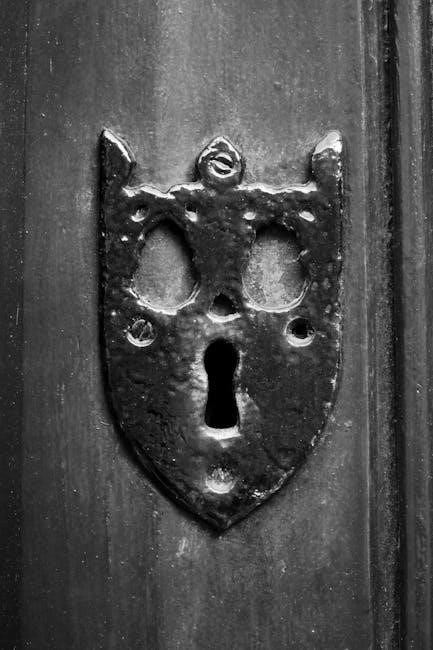
Identifying Skeleton Key Features
Key bit patterns, bow styles, and material composition – iron, brass, or steel – are crucial for identifying skeleton keys and understanding their origins.
Key Bit Patterns and Variations
Key bit patterns, the cut-out designs along the key’s blade, are paramount in skeleton key identification. These aren’t random; they correspond directly to the internal mechanisms of the locks they were designed to open. Early keys exhibited simpler patterns, while later iterations, particularly in the 18th and 19th centuries, showcased increasingly complex variations.
Analyzing these patterns reveals clues about the key’s age and intended use. The depth and arrangement of the cuts dictated which tumblers or levers within the lock would be lifted, granting access. Variations arose due to differing lock manufacturers and the specific security needs of the property owner. Recognizing these subtle differences requires a keen eye and, often, comparison with known examples. The predictability of lever patterns in early 20th-century locks aided skeleton key functionality.

Bow Styles and Materials
The bow, or handle, of a skeleton key provides valuable clues for identification. Early medieval keys featured large, robust iron bows, often simple loops or crosses. As manufacturing techniques evolved, bow styles diversified significantly. The 18th and 19th centuries saw ornate designs emerge – including elaborate loops, shields, and even decorative floral motifs – reflecting the aesthetic preferences of the period.
Material composition is equally important. Initially, keys were almost exclusively forged from iron. Later, brass and steel became common, offering increased durability and resistance to corrosion. The transition in materials often correlates with specific time periods. Examining the bow’s shape, ornamentation, and material can help narrow down a key’s age and origin, complementing the analysis of the key bit patterns.
Key Length and Thickness

Key length and thickness are crucial identifiers when dating and categorizing skeleton keys. Medieval iron keys tended to be relatively short and thick, reflecting the simpler lock mechanisms of the time. As lock designs became more complex during the 18th and 19th centuries, keys generally elongated to accommodate the increased number of cuts and wards.
Variations in thickness also provide clues. Keys intended for heavier-duty locks, such as those securing doors or chests, were typically thicker and more substantial. Standard skeleton keys used for domestic purposes were often thinner and more delicate. Measuring these dimensions accurately, alongside the bow style and bit pattern, contributes to a more comprehensive understanding of the key’s purpose and historical context.

Dating Skeleton Keys
Dating keys involves analyzing materials – iron, brass, or steel – alongside manufacturing techniques and any patent dates or markings present on the key.
Material Analysis (Iron, Brass, Steel)
Analyzing a skeleton key’s material is crucial for dating it. Medieval keys were predominantly forged from iron, often displaying signs of hand-crafting and rust accumulation over time. The 18th and 19th centuries saw a shift towards brass, offering greater durability and resistance to corrosion, becoming a common choice for key production.
Later, steel emerged as a material, particularly in the early 20th century, indicating a more modern manufacturing process. Examining the metal’s composition – through visual inspection or, more accurately, metallurgical analysis – can reveal clues about its age and origin. The presence of specific alloys or impurities can further pinpoint the approximate period of manufacture. Observing the level of oxidation and wear patterns also contributes to a more accurate assessment of the key’s age.
Manufacturing Techniques as Indicators
Skeleton key manufacturing techniques evolved significantly over time, offering valuable dating clues. Early keys, particularly those from the Medieval period, were largely hand-forged, exhibiting irregularities and hammer marks. The transition to machine-cut keys in the 18th and 19th centuries introduced greater precision and uniformity.
The level of detail in the bit patterns and the smoothness of the cuts can indicate whether a key was made by hand or machine. Early 20th-century keys often display characteristics of both methods, with some hand-finishing applied to machine-cut blanks. Examining the filing marks, the sharpness of the edges, and the overall finish provides insights into the manufacturing process employed, helping to establish a more accurate timeframe for the key’s creation.
Patent Dates and Markings
Skeleton keys sometimes bear patent dates or maker’s marks, offering direct clues to their origin and age. These markings, often stamped onto the bow or the shank, can be researched to pinpoint the approximate manufacturing period. However, it’s crucial to note that not all keys were marked, and markings can be faint or obscured by wear.

Patent dates typically refer to the lock mechanism the key was designed for, not necessarily the key itself. Identifying the manufacturer’s mark, if present, can lead to further information about their production practices and timelines. Databases of antique key makers and locksmiths can be invaluable resources for deciphering these markings and establishing a more precise date of origin for the skeleton key.

Using Skeleton Keys Effectively (and Responsibly)
Proper insertion and gentle manipulation are key; avoid force to prevent damage. Always consider legal and ethical implications before attempting use.
Proper Insertion Technique
Successful skeleton key operation hinges on correct insertion. Gently align the key bit with the lock’s warding, feeling for the initial engagement. Avoid forcing – a smooth entry indicates proper alignment.
Once aligned, slowly insert the key fully, maintaining a light touch. Observe how the key interacts with the internal mechanisms; resistance suggests misalignment or a complex lock.
Wiggling or jiggling should be minimal and controlled, never forceful. The goal is to subtly lift the tumblers or levers, not to brute-force the lock open. Patience is crucial; rushing can damage both the key and the lock. Remember, a delicate approach yields the best results, preserving the integrity of these historical mechanisms.
Gentle Manipulation and Avoiding Damage
Preserving both the key and lock demands gentle manipulation. Avoid excessive force, as it can bend the key or damage delicate internal lock components. Subtle pressure, combined with slight rotational movements, is key.
If resistance is encountered, do not force the key further. Instead, gently withdraw it and re-examine the warding alignment. Repeated forceful attempts risk breaking the key within the lock, creating a more significant problem.
Remember, skeleton keys are often antiques; their materials may be brittle. A patient, delicate touch is paramount. Prioritize understanding the lock’s mechanism over applying brute strength, ensuring the longevity of these fascinating historical artifacts. Respect their age and fragility.
Legal and Ethical Considerations
Using skeleton keys necessitates strict adherence to legal and ethical boundaries. Attempting to open locks without explicit permission is illegal and constitutes trespassing, potentially leading to severe penalties. Ownership of skeleton keys doesn’t grant a right to access any locked space.
Ethically, respect the privacy and property rights of others. Employing a skeleton key on a lock you do not own, even out of curiosity, is unacceptable. Consider the potential consequences and the violation of trust involved.
If you encounter a locked space where access is uncertain, seek the owner’s consent or involve appropriate authorities. Responsible handling and a commitment to legality are crucial when dealing with these historical tools.