
Salomon Men’s Snowboard Size Chart 2024
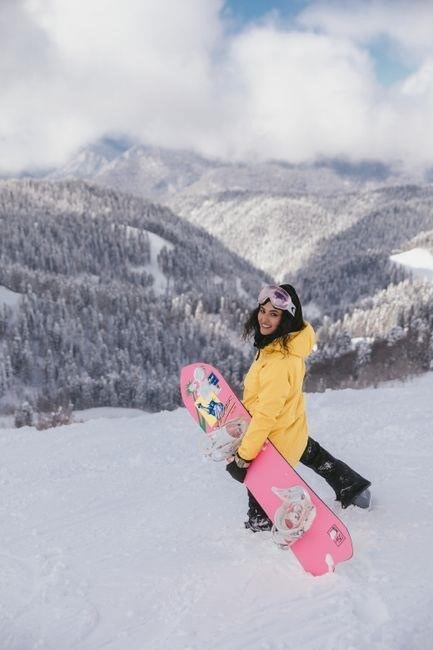
Use the salomon snowboard size guide to match board length with rider height and weight. For men, 158–165 cm boards suit 5’6”–5’10” athletes, 166–172 cm for 5’11”–6’2”, and 173–180 cm for 6’3” and taller. Adjust width for boot size to avoid toe‑overhang. Choose a board that matches your stance width for optimal balance. and feel.
Salomon Women’s Snowboard Size Chart 2024
With the salomon snowboard size guide, women’s board choices span heights, weights, and riding styles. A 152–158 cm board suits 5’0”–5’4” riders who favor a shorter, more agile board for park or freestyle. For 5’5”–5’8”, a 159–165 cm board balances agility and stability; 5’9”–6’0” riders often select 166–172 cm for a longer stance that offers better edge control on groomers and a smoother ride in variable terrain. Those taller than 6’0” may opt for 173–180 cm to maximize float in powder and maintain a comfortable stance width. Lighter riders (under 120 lb) should lean toward the shorter end of the range, whereas heavier athletes (120–150 lb) benefit from a slightly longer board to distribute weight more evenly. Width must match boot size: a 4.5–5.0 inch boot pairs with a 25–26 cm board width, while 5.5–6.0 inch boots require 26–27 cm. Stance width should be 10–12 cm wider than the boot width for stability. Camber and rocker profiles influence performance: a traditional camber provides precise edge hold for advanced riders, while a hybrid or rocker‑camber combo offers versatility for all‑mountain play. Flex rating matters: a softer flex (70–80) is ideal for beginners and park riders, offering forgiveness and easier pop; a stiffer flex (90–100) suits seasoned all‑mountain riders who demand quick response and high‑speed stability. Choose wisely and enjoy every run, and feel the mountain. The board’s length‑to‑weight ratio should be considered: a higher ratio (longer board for the same weight) improves float, whereas a lower ratio (shorter board) increases maneuverability. Before finalizing a purchase, riders should consult the manufacturer’s official size chart, read user reviews, if possible demo boards at a local shop. Many retailers offer a “try before you buy” program, allowing a test of the board’s feel in conditions. Enjoy the ride!.
Salomon Kids Snowboard Size Chart
The salomon snowboard size guide for kids provides clear recommendations based on height, weight, and skill level. For ages six to eight, a board length of 110 to 115 cm is ideal for children around five feet tall and weighing between sixty and eighty pounds. Children aged nine to eleven should consider a board measuring between 116 and 122 cm to match their growing height and weight while maintaining a manageable length for learning tricks. Teenagers twelve to fourteen years old can use a board ranging from 123 to 130 cm, suitable for those who are about five and a half to five and a half a half tall and weigh between one hundred and one hundred and twenty pounds, allowing them to explore all‑mountain terrain. For fifteen to seventeen year olds, a board between 131 and 138 cm fits riders who are roughly six feet tall and weigh between one hundred and twenty and one hundred and forty pounds, delivering a balance between speed and control. Width selection follows boot size: a 4.0 to 4.5‑inch boot pairs with a 24 to 25 cm board width, while 5.0 to 5.5‑inch boots require 25 to 26 cm width. Flex ratings for kids are typically softer (60 to 70) to aid learning; advanced kids may progress to medium flex (80 to 90). Camber profiles for youth boards often feature a hybrid design, combining a subtle camber for edge grip with a slight rocker for easier pop. Always pair the board with a stance that is 10 to 12 cm wider than the boot width for stability. The salomon snowboard size guide also recommends that parents test boards in a shop or through a rental program before purchase, ensuring the board feels right in real‑world conditions. A well‑matched board encourages confidence, reduces injury risk, and accelerates skill development, so choose wisely and enjoy the slopes. This guide helps parents choose the right board. Remember to adjust stance width for balance now.
Factors Influencing Snowboard Size Selection
Choosing the right board size in the salomon snowboard size guide depends on height, weight, skill, stance width, and riding style. Taller or heavier riders need longer boards for stability, while beginners prefer shorter lengths for easier control. Adjust width to match boot size to avoid toe‑overhang. Tailor length to skill level. Now!!
In the salomon snowboard size guide, height and weight are the primary factors that determine the optimal board length. For men, a rider 5’6” (168 cm) typically selects a board between 158–165 cm, providing a balance between maneuverability and stability. At 5’9” (175 cm), the recommended range expands to 165–172 cm, allowing for increased edge control while remaining responsive. A taller rider at 6’0” (183 cm) should consider 172–180 cm boards, which offer the necessary stiffness and float for higher speeds. For those above 6’3” (190 cm), 180–190 cm boards become ideal, ensuring adequate length to maintain balance on steep terrain. Women follow a similar logic: a 5’0” (152 cm) athlete typically uses 145–152 cm boards, while a 5’6” (168 cm) rider benefits from 152–158 cm. Children’s height ranges are narrower; a 4‑year‑old (120 cm) uses a 120–125 cm board, whereas a 7‑year‑old (145 cm) should choose 145–150 cm. Always match the board’s length to the rider’s height, but also consider weight, skill level, and riding style for optimal performance. The salomon snowboard size guide emphasizes that a board too short can feel unstable at speed, while one too long may be difficult to control during quick turns. Adjusting the length within the recommended ranges ensures that the board’s tip and tail are positioned correctly relative to the rider’s stance, providing a balanced feel on the slopes. Remember to verify the board’s width against boot size to avoid toe‑overhang, which can compromise edge grip. By carefully applying height‑based recommendations, riders can select a board that maximizes both comfort and performance, making the most of every run. When selecting a board, always double‑check the manufacturer’s width chart to ensure the board’s width matches your boot size, as a mismatch can lead to toe‑overhang and reduced edge control. Finally, remember that snow conditions and personal preference can influence the optimal board length, so it’s wise to try boards of varying lengths before making a final decision. Additionally, the board’s flex rating interacts with height; taller riders often benefit from a stiffer flex to maintain control at higher speeds, whereas shorter riders may prefer a softer flex for better maneuverability. The salomon snowboard size guide also recommends testing multiple lengths in demo sessions to gauge personal preference, as individual stance width and personal comfort can slightly shift the ideal board length.
Weight-Based Size Recommendations
Weight is a critical factor in the salomon snowboard size guide, as it directly affects board stability, edge grip, and overall performance. For men, a rider weighing 120–140 lb (54–64 kg) typically selects a board length of 158–165 cm, providing a balance between maneuverability and control. A heavier rider in the 141–170 lb (64–77 kg) range should consider 165–172 cm boards, which offer increased stiffness for better edge hold at higher speeds. Those above 170 lb (77 kg) often benefit from 172–180 cm boards, ensuring sufficient length to maintain stability on steep terrain and in variable snow conditions. Women follow similar weight‑based logic: a rider weighing 100–120 lb (45–54 kg) is best suited to 145–152 cm boards, while a 121–140 lb (54–64 kg) rider should opt for 152–158 cm. Children’s weight ranges are narrower; a 4‑year‑old weighing 30–35 lb (14–16 kg) should use a 120–125 cm board, whereas a 7‑year‑old weighing 50–55 lb (23–25 kg) is recommended a 145–150 cm board. The salomon snowboard size guide emphasizes that a board that is too short for a heavier rider can feel unstable, while a board that is too long for a lighter rider may be difficult to control during quick turns. Always match the board’s width to boot size to avoid toe‑overhang, which can compromise edge grip. By carefully applying weight‑based recommendations, riders can select a board that maximizes both comfort and performance, making the most of every run. When selecting a board, it’s wise to test multiple lengths in demo sessions to gauge personal preference, as individual stance width and personal comfort can slightly shift the ideal board length. Additionally, the board’s flex rating interacts with weight; heavier riders
Board Length vs. Riding Style
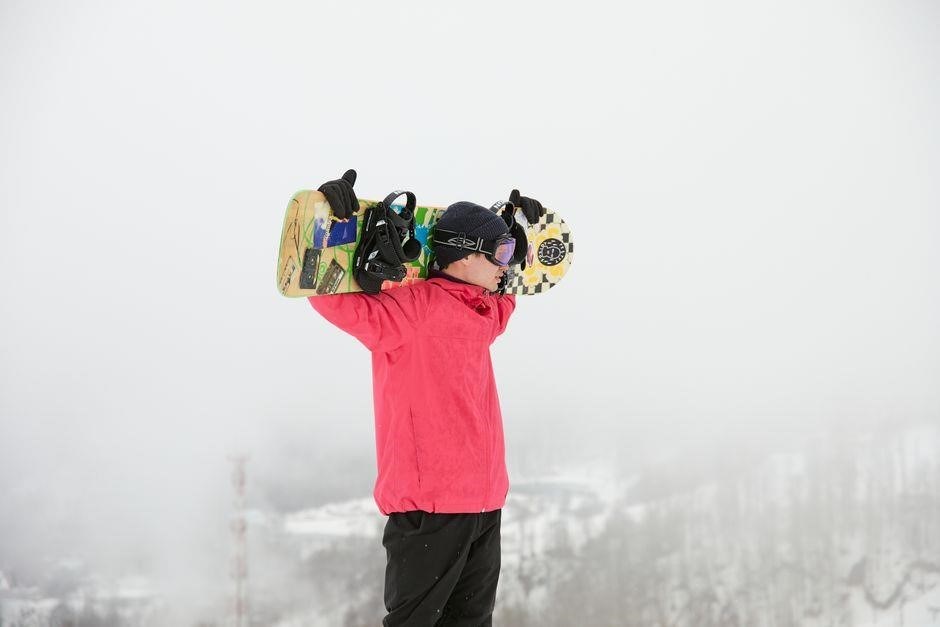
The salomon snowboard size guide shows that shorter boards (158–165 cm) excel in freestyle, offering quick turns and park agility. Longer boards (170–180 cm) suit all‑mountain and powder riders, providing stability and float. Match length to your preferred style for optimal performance. Pick a board that balances length and width.!
Freestyle vs. All-Mountain vs. Powder
When consulting the salomon snowboard size guide, riders should first identify their primary terrain. Freestyle boards are typically shorter, ranging from 158 to 165 cm, to provide quick edge control and easy maneuverability in parks and halfpipes. All‑mountain boards fall between 165 and 172 cm, offering a balanced blend of stability at speed and agility on varied slopes. Powder boards extend beyond 172 cm, often reaching 175 to 180 cm, to maximize float and maintain momentum on deep snow. Each style also carries distinct camber or rocker profiles: freestyle models emphasize a flat or slightly reverse camber for playful tricks, all‑mountain boards employ a hybrid camber for versatile edge grip, while powder boards feature a pronounced rocker to lift the nose and reduce sinkage. Width selection is equally critical; a board too narrow for a large boot can cause toe‑overhang, whereas an overly wide board may feel unwieldy in tight rail sets. By matching board length, camber, and width to the chosen riding style, skaters can achieve the best performance and safety on the mountain. For example, the Salomon Pulse 2024 is a 162 cm freestyle board designed for riders 5’6”–5’10”, while the Salomon QST 2024, at 170 cm, targets all‑mountain riders 5’11”–6’2”. The Salomon X‑Frame 2024, measuring 176 cm, is tailored for powder enthusiasts 6’3” and taller. Weight recommendations follow suit: freestyle boards work best for 120–170 lb, all‑mountain for 140–190 lb, and powder for 160–210 lb. Stance width should be 10–12 inches apart for freestyle, 12–14 inches for all‑mountain, and 14–16 inches for powder, while boot sizes range from 11–13 for freestyle, 13–15 for all‑mountain, and 15–17 for powder. Always test the board on a small slope before committing to full runs, ensuring that the chosen length, width, and camber suit your body and riding preference. Additionally, consider the board’s flex rating; a softer flex enhances playfulness for freestyle, a medium flex balances versatility for all‑mountain, and a stiffer flex supports high‑speed stability in powder. The salomon snowboard size guide also highlights that the board’s edge profile—whether a traditional camber, a rocker‑camber hybrid, or a full rocker—directly influences how the board reacts to snow conditions and rider input. Riders who frequently switch between groomed runs and backcountry trails may benefit from a mid‑length board that offers a compromise between agility and float. Finally, always keep in mind that personal preference and comfort play a significant role; even the best‑matched board can feel awkward if the rider’s stance or boot size is not properly aligned. By integrating all these factors—length, width, camber, rocker, flex, and personal fit—into the decision process, you can confidently select a board that delivers both performance and enjoyment on every descent.
Short vs. Long Boards
In the salomon snowboard size guide, board length is a primary determinant of how a rider feels on the slope. Shorter boards, typically 158–165 cm, offer quick turn initiation, tighter edge control, and easier maneuverability for park tricks or steep, narrow runs. They are ideal for riders who prioritize agility over speed, such as those who spend most of their time in halfpipes or on groomed trails. Long boards, ranging from 170–180 cm, provide greater stability at high speeds, improved float in deep powder, and a smoother ride over uneven terrain. They are favored by seasoned all‑mountain riders who tackle varied conditions and require a board that can handle both hardpack and soft snow. When selecting a board length, consider your weight: lighter riders (120–160 lb) perform best on shorter models, while heavier riders (170–210 lb) benefit from the added length and support of a longer board. Boot size also influences board width; a 13–15 US boot typically fits a 158–165 cm board, whereas a 16–17 US boot requires a 170–180 cm board to avoid toe‑overhang. Flex rating is another factor; a softer flex enhances short‑board responsiveness, while a stiffer flex supports the stability of longer boards. Camber and rocker profiles further differentiate short and long boards: a traditional camber on a short board maximizes edge grip, while a rocker‑camber hybrid on a long board improves float and reduces sinkage. Ultimately, the choice between short and long boards should align with your skill level, preferred terrain, and personal comfort, ensuring that the board’s length, width, flex, and camber work harmoniously to deliver the performance you seek.
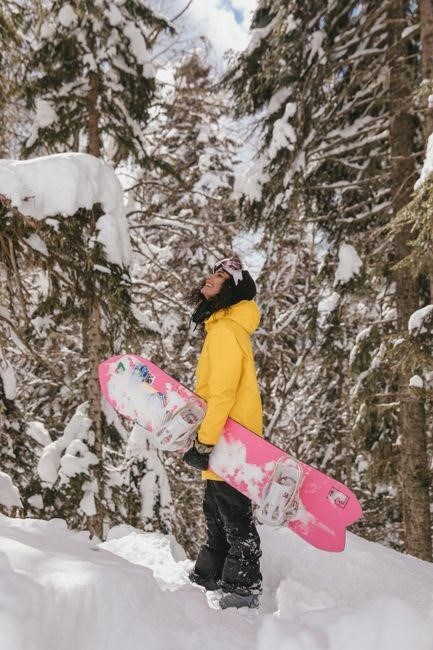
- Short boards: faster turn radius, easier control at low speeds.
- Long boards: better stability, higher top speed, superior float.
Additionally, stance width plays a role; a narrower stance on a short board reduces leverage, making quick pops easier, whereas a wider stance on a long board distributes weight more evenly, aiding balance on steep slopes. Riders who enjoy backcountry powder often opt for longer boards to maintain buoyancy, while park riders prefer the compactness of short boards for rail work. The salomon snowboard size guide recommends matching board length to rider height: 5’6”–5’10” for 158–165 cm, 5’11”–6’2” for 170–175 cm, and 6’3”+ for 176–180 cm. These guidelines help ensure that the board’s tip and tail reach the appropriate snow depth for optimal performance.
In practice, riders often test both lengths on a single run. A short board’s quick response is ideal for carving on groomed runs, while a long board’s extended edge keeps you planted on powder. The salomon snowboard size guide suggests matching board length to rider height: 5’6”–5’10” for 158–165 cm, 5’11”–6’2” for 170–175 cm, and 6’3”+ for 176–180 cm. These guidelines help ensure that the board’s tip and tail reach the appropriate snow depth for optimal performance. Aggressive riders may prefer a slightly longer board for added stability, while casual riders often choose a shorter board for easier handling. Enjoy!!
Understanding Camber and Rocker Profiles
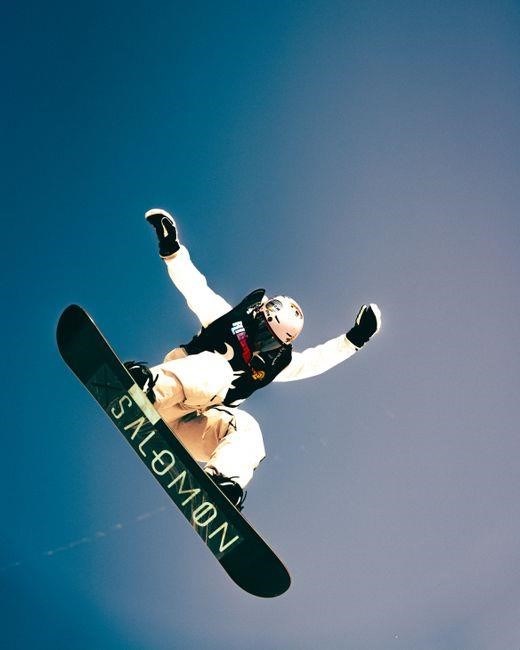
The salomon snowboard size guide explains how camber and rocker affect performance. Camber gives edge grip and pop, while rocker offers float in powder and easier turns. A hybrid camber‑rocker board balances stability and maneuverability for all‑mountain play. It suits all riders now!
Camber Impact on Edge Hold
In the salomon snowboard size guide, camber is highlighted as a key factor that determines how a board engages with the snow during edge work. A classic camber profile lifts the board’s middle slightly off the snow, creating a natural “spring” that stores energy as the rider presses down. When a rider initiates a turn, the camber’s tension pulls the board toward the edge, allowing for a quick, precise transfer of weight. This results in a tighter edge grip and a more responsive feel, especially on hardpack or groomed runs. The guide notes that for riders who prefer aggressive carving, a higher camber angle can provide the necessary edge hold and stability at high speeds. Conversely, a flatter camber reduces the board’s tendency to “bounce” and offers a more forgiving feel for beginners or freestyle riders who need a softer response. The salomon snowboard size guide also explains that camber is not only about the board’s shape; it interacts with the rider’s stance width, boot size, and overall weight distribution. A board with a pronounced camber will perform best when the rider’s stance is slightly narrower than the board’s width, ensuring that the board’s peak aligns with the rider’s center of gravity. This alignment maximizes the transfer of force to the edge, improving control and reducing the risk of sliding. In addition, the guide emphasizes that camber can affect the board’s flex pattern. A stiffer camber typically offers more pop and quicker edge response, while a softer camber can absorb minor imperfections in the snow, providing a smoother ride. For advanced riders who enjoy high-speed carving, the salomon snowboard size guide recommends selecting a board with a moderate to high camber angle, paired with a boot that offers sufficient stiffness to support the board’s natural flex. For recreational riders or those who prioritize comfort, a board with a lower camber angle may be preferable, as it offers a more relaxed edge feel and easier turn initiation. Ultimately, the salomon snowboard size guide encourages riders to test different camber profiles in real-world conditions to determine which best matches their riding style, skill level, and terrain preferences. By understanding how camber impacts edge hold, riders can make informed decisions when selecting a board that aligns with their performance goals and personal comfort on the mountain.
Additionally, many riders find that pairing a board with a camber profile that matches their boot stiffness can further enhance edge performance. When the board’s flex aligns with the boot’s flex, the rider experiences a more natural transfer of power, leading to smoother carving and reduced fatigue over long runs. This synergy between camber and boot stiffness is a key consideration highlighted in the salomon snowboard size guide for those seeking peak edge hold.
Rocker for Float in Powder
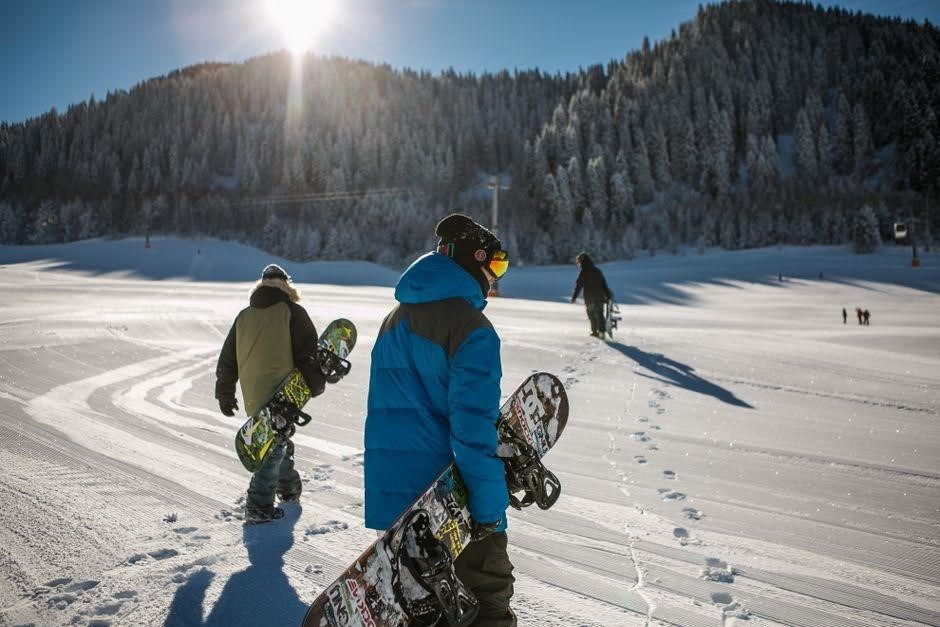
Rocker, also known as reverse camber, is a design feature that lifts the board’s nose and tail away from the snow, creating a gentle arc that enhances buoyancy. In the salomon snowboard size guide, rocker profiles are highlighted as essential for riders who frequently tackle deep powder or backcountry terrain. A board with a pronounced rocker will allow the tip to lift early, preventing the board from digging into soft snow and enabling a smoother, more effortless glide. The guide explains that the degree of rocker—whether a subtle “hybrid” or a full “rocker”—directly influences how quickly the board will float. A hybrid board, which combines a short camber section under the feet with a rocker at the ends, offers a balanced performance: it provides edge hold on groomed runs while still delivering adequate lift in powder. Conversely, a full rocker board, with a continuous arch from nose to tail, maximizes float but may sacrifice some edge grip on hardpack. For riders who prioritize versatility, the salomon snowboard size guide recommends selecting a board that matches their typical snow conditions: a hybrid for mixed terrain or a full rocker for deep, ungroomed runs. Additionally, the guide notes that rocker can affect the board’s flex pattern. A board with a higher rocker tends to have a softer flex, which can improve comfort and reduce fatigue during long descents. The salomon snowboard size guide also advises that the rider’s stance width and boot size should be considered when choosing a rocker board. A wider stance can help maintain stability on a rocker board, while a narrower stance may enhance maneuverability. Finally, the guide encourages riders to test boards with different rocker profiles in real‑world conditions, as personal preference and riding style will ultimately determine the optimal balance between float and edge performance. When selecting a rocker board, riders should also consider the board’s overall length, as longer boards tend to provide better float in deep powder, while shorter boards offer quicker turn initiation. The salomon snowboard size guide emphasizes that a rider’s weight and skill level play a role: heavier riders may benefit from a longer, more buoyant board, whereas lighter riders might prefer a shorter board that is easier to control. By combining the appropriate rocker profile with the correct board length and width, riders can achieve a harmonious balance that delivers both comfort and performance across a variety of snow conditions.
Choosing the Right Width for Your Boots
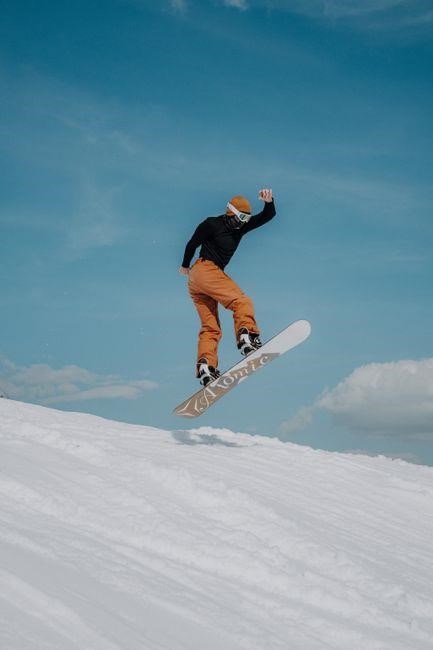
In the salomon snowboard size guide, width selection hinges on boot size. A board 1–2 cm wider than your boot last prevents toe‑overhang; Measure boot last in mm, subtract 10 mm, then match to board width chart. Wider boards suit big boots, narrower for smaller feet. Check stance width; mismatch may destabilize turns, steep slopes.!
Boot Size vs. Board Width Guidelines
The salomon snowboard size guide emphasizes that board width should correspond closely to boot size to ensure optimal edge contact and control. A common rule of thumb is to select a board whose width is roughly 1–2 cm greater than the boot last measurement. For example, a boot last of 28 mm typically pairs well with a board width of 25–27 cm, while a 30 mm boot last requires a board width of 27–29 cm. This margin prevents toe‑overhang and heel‑overhang, which can lead to loss of stability and increased drag during turns. In addition, the stance width—distance between the binding centers—must be aligned with the board width. A stance that is too narrow on a wide board can cause the rider to feel “tucked” and reduce edge engagement, whereas a stance that is too wide on a narrow board can lead to a “slack” feel and decreased responsiveness. Riders with larger boots should also consider boards with a wider waist to accommodate the increased boot width without compromising the board’s flex pattern. Conversely, riders with smaller boots can opt for narrower boards, which often provide a tighter turning radius and more precise edge control. It is also important to note that the board’s shape—such as a twin or directional profile—can influence how width interacts with boot size. Twin boards, designed for freestyle, typically have a symmetrical waist width, making it easier to maintain balance on both edges. Directional boards, used for all‑mountain or powder, may have a slightly wider tail, which can affect how the board behaves when riding switch. Finally, always test the board in a real‑world setting or consult with a knowledgeable dealer to confirm that the chosen width feels comfortable and responsive across different terrain and riding styles. The salomon snowboard size guide serves as a foundational reference, but personal preference and riding experience should ultimately guide the final selection.
When selecting width, also consider the binding offset and the desired stance angle. A slightly forward offset can help keep the board’s center of gravity over the middle of the board, improving stability on high‑speed descents. A steeper stance angle can increase edge pressure, which is beneficial for carving but may reduce maneuverability on softer snow. Adjusting these variables in conjunction with width ensures that the board’s performance aligns with the rider’s skill level and preferred terrain. Always keep in mind that the salomon snowboard size guide is a starting point; real‑world testing and feedback from experienced riders are invaluable for fine‑tuning the final setup.
Ultimately, the best width is one that feels natural underfoot and allows the rider to maintain control across all conditions, from groomed runs to deep powder!